How Long Do Paver Patios Last in Florida’s Climate?
How Long Can Paver Patios Last in Florida’s Climate?
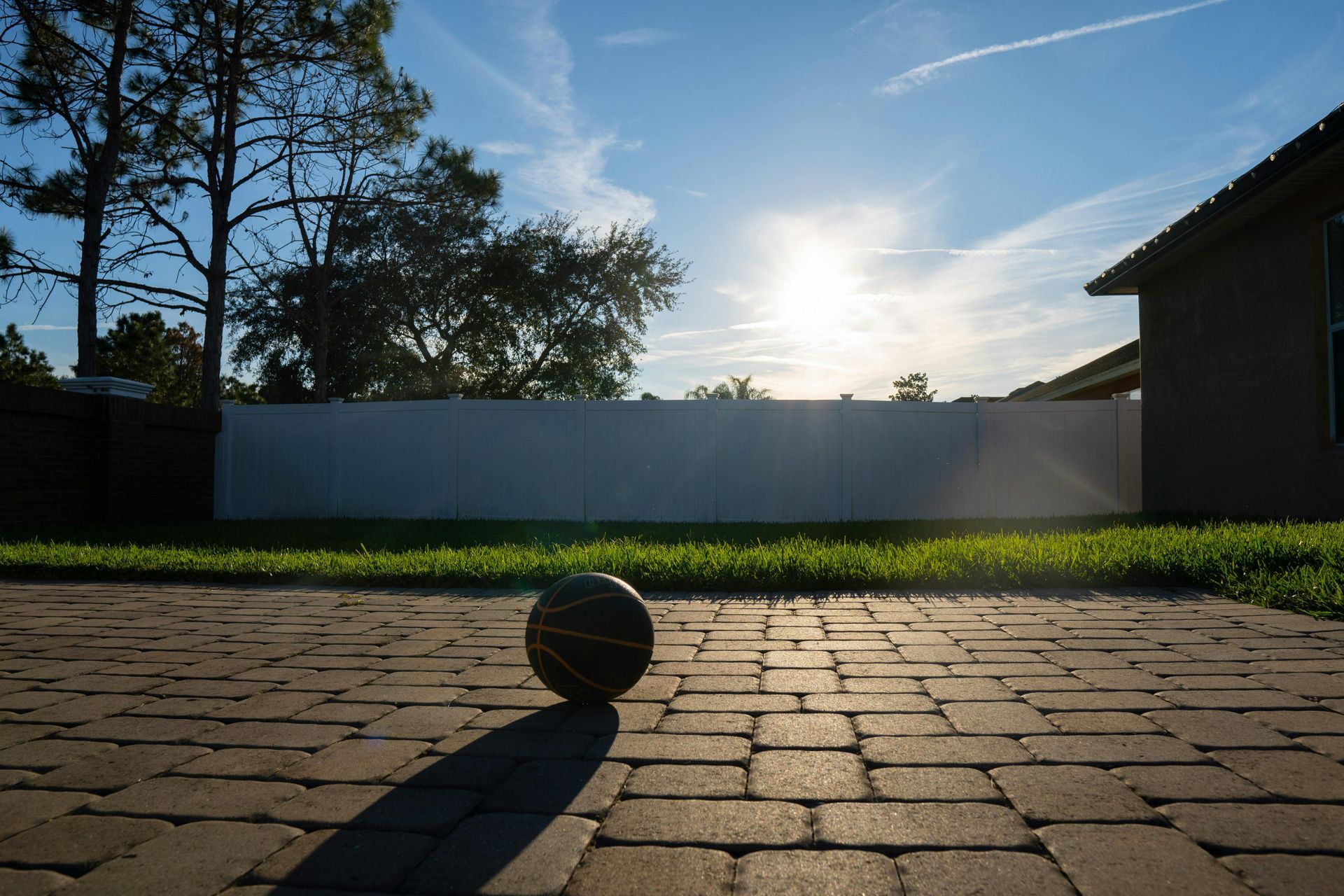
Paver patios in Florida typically last between 25 and 50 years, and in many cases even longer when installed correctly and properly maintained. In Ormond Beach, where outdoor surfaces must withstand intense sun, heavy rainfall, humidity, and shifting sandy soil, pavers consistently outperform alternatives like poured concrete or wood decking.
The reason is simple: pavers are built for flexibility and durability. Unlike solid slabs, they can adjust to environmental changes without cracking, making them ideal for Florida’s challenging conditions. However, the true lifespan of your patio depends on several factors, including installation quality, base preparation, drainage, material selection, and ongoing maintenance.
If you’re considering investing in a paver patio, understanding what affects its longevity will help you make smarter decisions and get the most value out of your outdoor space.
Why Paver Patios Are Ideal for Florida Homes
Florida’s climate presents unique challenges for outdoor construction. Many materials fail prematurely because they cannot handle constant exposure to moisture, heat, and soil movement.
Key Environmental Factors in Ormond Beach
- Sandy soil that shifts and settles over time
- Heavy rainstorms that impact drainage and stability
- High humidity that accelerates wear on certain materials
- Strong UV exposure that causes fading and surface breakdown
Pavers are specifically designed to perform well under these conditions.
What Makes Pavers a Strong Choice
- Individual units can shift slightly without cracking
- Joints allow water to drain naturally
- Durable materials resist weather-related damage
- Easy to repair by replacing individual pieces
These advantages make pavers one of the most reliable long-term investments for outdoor living spaces in Central Florida.
Average Lifespan of Paver Patios
A professionally installed paver patio can last:
- 25–50 years under normal conditions
- 50+ years with high-quality materials and consistent maintenance
Comparison to Other Materials
- Concrete slabs: 10–20 years (often crack sooner)
- Wood decks: 10–15 years with ongoing maintenance
- Gravel surfaces: Require frequent replenishing
Pavers stand out because they combine durability with repairability. Even if one section becomes damaged, it can be fixed without replacing the entire patio.
Key Factors That Affect Paver Patio Lifespan
Not all paver patios last the same amount of time. The difference often comes down to how well the project is planned and executed.
1. Installation Quality
Installation is the single most important factor in determining how long your patio will last.
A professional installation includes:
- Proper excavation to the correct depth
- Installing a compacted base layer (typically crushed stone)
- Adding a leveling sand layer
- Ensuring correct slope for water drainage
If these steps are rushed or skipped, the patio may begin to shift, sink, or become uneven within just a few years.
2. Base Preparation
The base acts as the foundation of your entire patio. In Florida’s sandy soil, this step is especially critical.
A properly prepared base:
- Prevents settling and sinking
- Distributes weight evenly
- Supports long-term structural stability
Poor base preparation is one of the most common reasons patios fail prematurely.
3. Drainage and Grading
Water management is essential in Ormond Beach due to frequent heavy rains.
Without proper drainage:
- Water can pool beneath the pavers
- The base layer can erode
- Pavers may shift or become uneven
A well-designed patio includes grading that directs water away from both the patio and your home’s foundation.
4. Quality of Materials
The durability of your patio also depends on the quality of the pavers used.
High-quality pavers:
- Resist fading from UV exposure
- Maintain their shape under pressure
- Withstand long-term wear and tear
Lower-quality materials may crack, discolor, or deteriorate more quickly, reducing the overall lifespan of your patio.
5. Ongoing Maintenance
Although pavers are considered low maintenance, regular upkeep plays a role in how long they last.
Proper maintenance includes:
- Cleaning debris and stains
- Replacing joint sand as needed
- Sealing the surface periodically
Neglecting maintenance can lead to issues like weed growth, fading, and shifting.
How to Extend the Life of Your Paver Patio
With the right care, your patio can last well beyond its expected lifespan.
1. Clean Regularly
Keeping your patio clean prevents buildup of dirt, mold, and stains that can degrade its appearance over time.
2. Seal the Pavers
Sealing provides several benefits:
- Protects against stains and moisture
- Reduces fading from sun exposure
- Helps stabilize joint sand
Most patios benefit from sealing every 2–3 years.
3. Maintain Joint Sand
The sand between pavers helps lock them in place. Over time, it can wash away due to rain or cleaning.
Replenishing joint sand helps:
- Prevent shifting
- Reduce weed growth
- Maintain structural integrity
4. Address Issues Early
Small problems like loose or uneven pavers should be fixed immediately. Early repairs are simple and inexpensive compared to major restoration work.
Common Problems and How to Prevent Them
Even though pavers are durable, certain issues can arise if installation or maintenance is neglected.
1. Shifting or Uneven Surfaces
Usually caused by poor base preparation or drainage issues.
2. Weed Growth Between Pavers
Occurs when joint sand is depleted or not properly maintained.
3. Fading or Discoloration
Can result from prolonged sun exposure without sealing.
4. Water Pooling
Indicates improper grading or drainage design.
Working with experienced professionals from the start helps prevent these issues and ensures long-term performance.
Why Pavers Outperform Concrete in Florida
While concrete may seem like a more affordable option initially, it often doesn’t hold up as well in Florida’s environment.
Key Differences
| Feature | Pavers | Concrete |
|---|---|---|
| Lifespan | 25–50+ years | 10–20 years |
| Crack Resistance | High | Low |
| Repairs | Easy and localized | Difficult and costly |
| Design Options | Wide variety | Limited |
Concrete slabs are prone to cracking due to soil movement and temperature changes, while pavers can adapt without breaking.
Best Uses for Paver Patios in Ormond Beach
Pavers are versatile and can be used for a variety of outdoor features, including:
- Backyard patios
- Outdoor kitchens
- Walkways and garden paths
- Pool decks
- Driveways
Their durability and visual appeal make them a popular choice for homeowners looking to upgrade their outdoor living space.
FAQs
Do paver patios crack over time?
No, pavers are designed to shift slightly without cracking, unlike concrete slabs.
How often should pavers be sealed?
Every 2–3 years is recommended to maintain protection and appearance.
Can individual pavers be replaced?
Yes, damaged pavers can be replaced without affecting the rest of the patio.
Are pavers a good investment?
Yes, they offer long-term durability, low maintenance, and increased property value.
Do pavers require a lot of maintenance?
No, they require minimal upkeep compared to other outdoor materials.
Next Steps
If you’re planning to install a paver patio, focusing on proper design, quality materials, and expert installation will make the biggest difference in how long your investment lasts. A well-built patio not only enhances your outdoor space but also provides decades of reliable use with minimal maintenance.
GBS Sod & Landscape specializes in designing and installing durable paver patios throughout Ormond Beach and surrounding areas. Whether you’re creating a small seating area or a full outdoor living space, working with experienced professionals ensures your patio is built to withstand Florida’s climate and deliver long-term value.
Recent Posts